Caffeine in Pre-Workouts
The Bottom Line
Caffeine is the backbone of stimulant-based pre-workouts, it is in nearly all Everyday and High Stim formulas on the market. It is a central nervous system stimulant that improves energy, focus, and exercise performance. Research supports roughly 180–360mg for a 200lb person as an effective performance range, and the pre-workout market reflects that with an average dose of around 325mg per serving.
Clinical dose
180-360mg
commonly referenced target
Market average dose
—
across all categories
Products containing
—
across all categories
Highest dose
—
Ninja Unleashed
PwrRanks Take
Caffeine is the most reliable, effective, and widely used ingredient in the pre-workout industry. Its benefits are broad and well-established: improved alertness, energy, focus, and exercise performance. That said, more is not always better. Most research shows the performance benefits plateau at around 300 to 400mg, with no meaningful additional gain beyond that point and a significantly higher risk of side effects above 500mg. Some formulas are pushing 500mg and beyond, likely to market themselves as the highest-energy option, but the science does not support that approach. Users should also be mindful of tolerance build-up. Regular daily use causes the body to adapt, reducing the workout-boosting effect over time.
- Most well-researched pre-workout ingredient
- Broad benefits across strength, endurance, and focus
- Performance benefit plateaus around 300 to 400mg
- Tolerance builds with daily use
Dosage & Market Data
Everyday
- Avg dose
- 278mg
- Max dose
- 502mg
- % containing
- 87%
High Stim
- Avg dose
- 392mg
- Max dose
- 614mg
- % containing
- 100%
Pump
- Avg dose
- 2mg
- Max dose
- 2mg
- % containing
- 14%
Dosage distribution across products containing Caffeine
- Under 90mg5
- 90mg–135mg2
- 135mg–180mg15
- 180mg–270mg35
- 270mg+189
Green = at or above clinical performance threshold (180mg+)
Pre-Workouts With the Most Caffeine
These are the highest dosed Caffeine pre-workouts currently in our database, ranked from most to least per serving. View full rankings
| Pre-workout | Caffeine / Serving | Category | Price / Serving | |
|---|---|---|---|---|
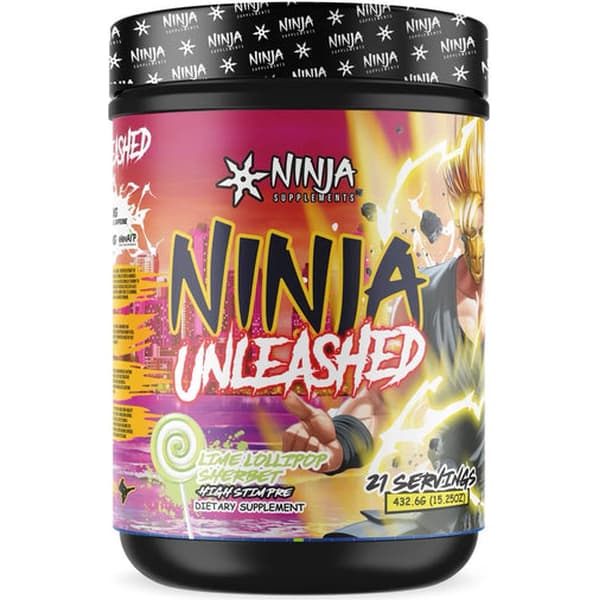 Ninja Unleashed Ninja Supplements | 614mg | High Stim | $1.19 | Details |
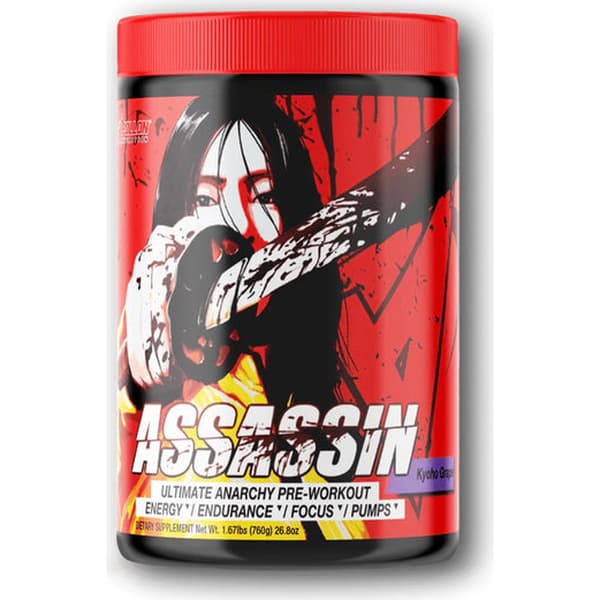 Assassin Apollon Nutrition | 600mg | High Stim | $3.25 | Details |
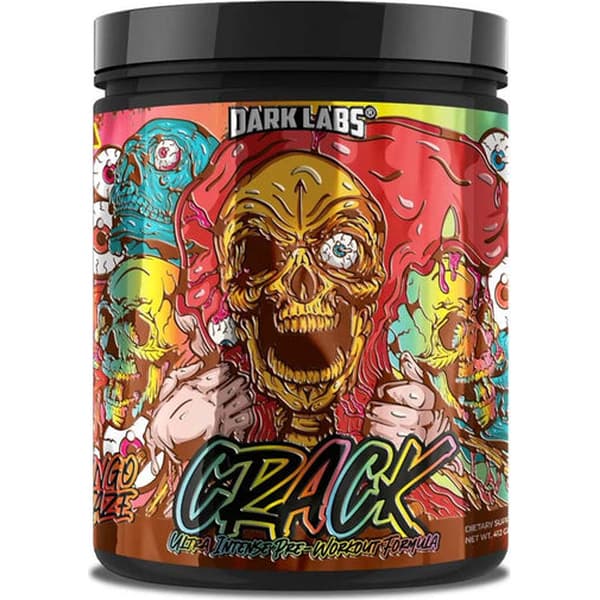 Dark Labs Crack OG Dark Labs | 550mg | High Stim | $3.00 | Details |
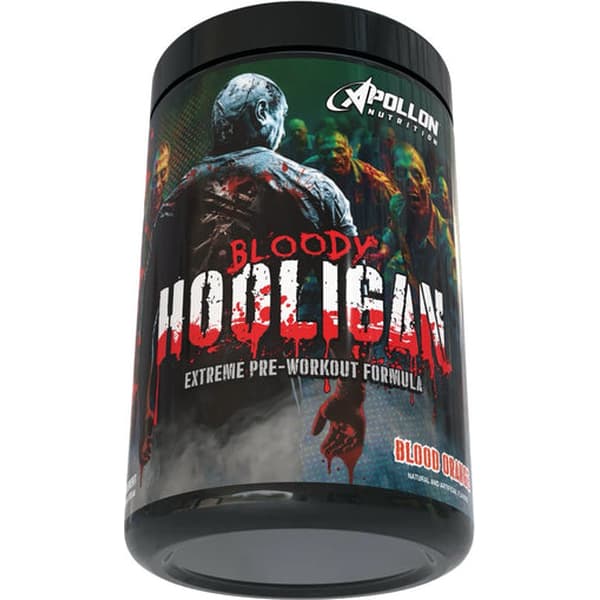 Bloody Hooligan Apollon Nutrition | 502mg | Everyday | $3.50 | Details |
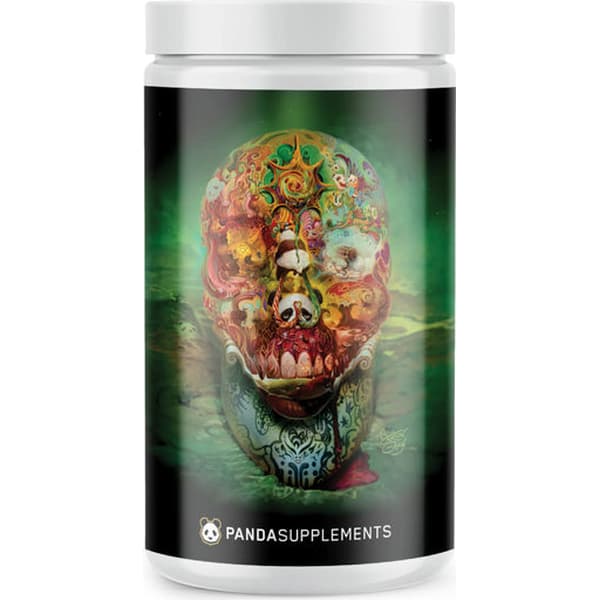 Panda Skull Panda Supplements | 502mg | Everyday | $2.75 | Details |
| Pre-workout | Caffeine / Serving | Category | Price / Serving | |
|---|---|---|---|---|
Ninja Unleashed Ninja Supplements | 614mg | High Stim | $1.19 | Details |
Assassin Apollon Nutrition | 600mg | High Stim | $3.25 | Details |
Dark Labs Crack OG Dark Labs | 550mg | High Stim | $3.00 | Details |
Bloody Hooligan Apollon Nutrition | 502mg | Everyday | $3.50 | Details |
Panda Skull Panda Supplements | 502mg | Everyday | $2.75 | Details |
What Caffeine Actually Does
Caffeine is one of the most studied ingredients in sports nutrition, and its effects are about as reliable as they get in a pre-workout formula.
Caffeine works primarily by blocking adenosine, a chemical that builds up in the brain and makes you feel tired and sluggish. By blocking adenosine's signal, caffeine makes hard effort feel more manageable and keeps you alert when fatigue would otherwise set in.
The benefits are broad: Caffeine can improve strength, endurance, sprinting, and power output. It can sharpen mental focus and reduce perceived effort, meaning a hard workout feels more manageable even when the actual workload is unchanged.
The downsides are real too: High doses can cause jitteriness, anxiety, elevated heart rate, and sleep disruption. And with daily use, the workout-boosting effects gradually fade. Studies show that the ergogenic benefits of caffeine slowly diminish over weeks of consistent use as the body produces more adenosine receptors to compensate. The practical fix is to cycle caffeine intake periodically, either by taking a one- to two-week break or by lowering daily intake to reset your receptors.
A note on dosing: Most research shows that the performance benefit follows a diminishing-returns curve. Around 200mg is an effective starting point for many users and is close to the lower end of the research-backed performance range. Around 300 to 400mg is near the plateau of the performance curve. Beyond 500mg, research shows that performance does not improve further and the risk of side effects increases substantially.
Frequently Asked Questions About Caffeine
Common questions about Caffeine